

Understand how your mind responds to suggestion.
Clear, evidence-minded resources on hypnosis, hypnotherapy, and the psychology of focused attention — explore at your own pace.
Start here
Three ways to explore
What is hypnosis?
A natural state of focused attention — not sleep, and not loss of control.
Hypnosis is a guided state of focused attention, physical relaxation, and increased responsiveness to helpful suggestions. A person may become absorbed in their thoughts, imagination, or the practitioner’s words while becoming less aware of distractions around them.
You usually remain aware of what is happening and can hear, speak, move, or end the session whenever you choose. Hypnosis does not remove free will or make anyone act against their values.
In hypnotherapy, hypnosis is used alongside therapeutic conversation to support goals like managing stress, changing unwanted habits, improving confidence, and coping with pain or anxiety. Results vary, and a qualified practitioner works within professional limits and refers to medical or mental-health services when needed.
It’s best understood as a collaboration: you bring attention, imagination, and personal meaning; the practitioner brings structure, guidance, and carefully chosen suggestions.
Meet the hypnotherapist
Hi, I’m Rob.
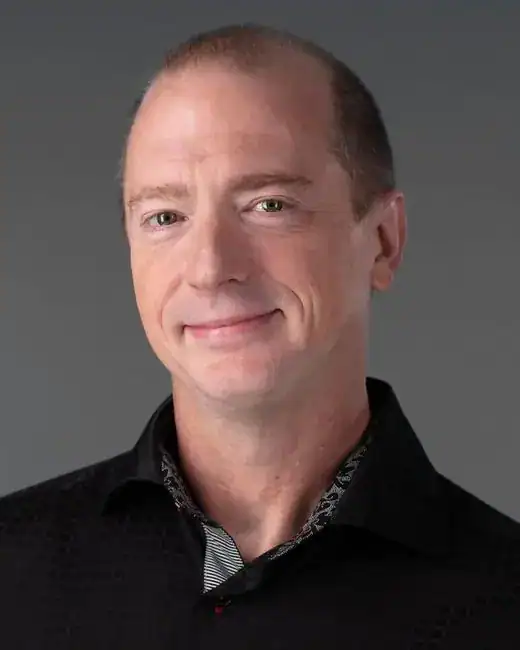
I’m a Certified Clinical Hypnotherapist, trained in part at the Hypnosis Motivation Institute. I’ve studied hypnosis for decades, including more than a thousand hours of advanced training in how attention, imagination and suggestion shape the way we think and feel.
I started Hypnotechs in 2016 because most of what people read about hypnosis online was stage-show myth, overblown promises, or claims with no science behind them, and I wanted a place that explained it honestly.
Everything here is free. The tests give you personalized results, not a form letter, and the guides explain the research in plain language, including where the evidence is strong and where it’s still debated. Most articles cite their sources, so you can continue your own research and draw your own conclusions.
See my credentials1,000+
Hours of advanced training
200+
Hours of supervised experience
17
AHA specialist certifications
11
Advanced training certifications


Curious whether hypnosis could help you?
Start with a quick quiz, or reach out with your questions.